BLOG
Brand or Business Story - How local roof moss treatment services support long term roof maintenance across Geelong, Bellarine Peninsula and nearby regional towns
Roof moss treatment in Geelong and surrounding regional areas
Across Geelong, the Bellarine Peninsula and nearby regional towns, roof moss treatment has become an important part of ongoing property maintenance. The local climate creates consistent conditions for moss and lichen growth, particularly on older tiled roofs and shaded residential properties.
In these areas, roof maintenance is less about one time cleaning and more about managing recurring environmental exposure over time.
Why local environmental conditions increase demand for treatment
Geelong and surrounding coastal regions experience a mix of humidity, rainfall and salt exposure from nearby ocean winds. These conditions keep roof surfaces damp for longer periods, which encourages moss spores to establish and spread.
Suburbs with mature trees and established housing layouts often see faster regrowth due to shade and reduced airflow across roof surfaces. Bellarine Peninsula towns also experience strong wind patterns that carry organic debris onto rooftops.
These combined factors mean roof moss treatment is not an occasional task in the region, but part of regular property upkeep.
How roof moss affects long term roof condition
Moss growth is not just a surface issue. Over time, it can retain moisture against roofing materials, particularly on tiled roofs where surface porosity allows water absorption.
In Geelong’s coastal environment, this retained moisture can contribute to gradual surface wear. Roof valleys and gutter edges are often the first areas affected because they naturally hold water and debris.
If left untreated, moss buildup can also interfere with drainage flow, increasing the risk of water pooling in certain sections of the roof.
The role of ongoing treatment rather than single cleaning
In regions like Geelong and the Bellarine Peninsula, roof moss treatment is most effective when viewed as an ongoing process. This is because the environmental conditions that cause growth cannot be fully removed.
Even after cleaning, airborne spores remain present in the environment. When combined with shade and moisture, regrowth can occur over time.
Ongoing treatment focuses on reducing the conditions that allow moss to re-establish, rather than only removing existing growth.
Regional property characteristics influencing roof maintenance
Housing across Geelong and surrounding suburbs varies significantly in age and design. Older homes with concrete tile roofs are more susceptible to moss due to surface porosity and long term weathering.
Newer developments may have metal roofing, which reduces surface attachment but still experiences debris buildup in valleys and drainage points.
Vegetation density also varies by suburb. Areas such as Newtown, Highton and Grovedale often have established trees that contribute to shaded roof conditions, while coastal areas experience higher humidity exposure.
Why local knowledge matters in roof moss management
Roof moss behaviour is strongly influenced by local conditions. Understanding how Geelong’s coastal climate, vegetation patterns and housing layouts interact helps determine how treatment should be approached.
Local roof moss treatment services are typically focused on these regional factors rather than applying a one size fits all method. This includes recognising which suburbs experience faster regrowth and which roof materials are more commonly affected.
This local understanding plays a key role in maintaining roof condition over time in coastal Victoria.

DISCOVER WHAT OUR CUSTOMERS HAVE TO SAY ABOUT US
REVIEWS
REVIEW US ON GOOGLE
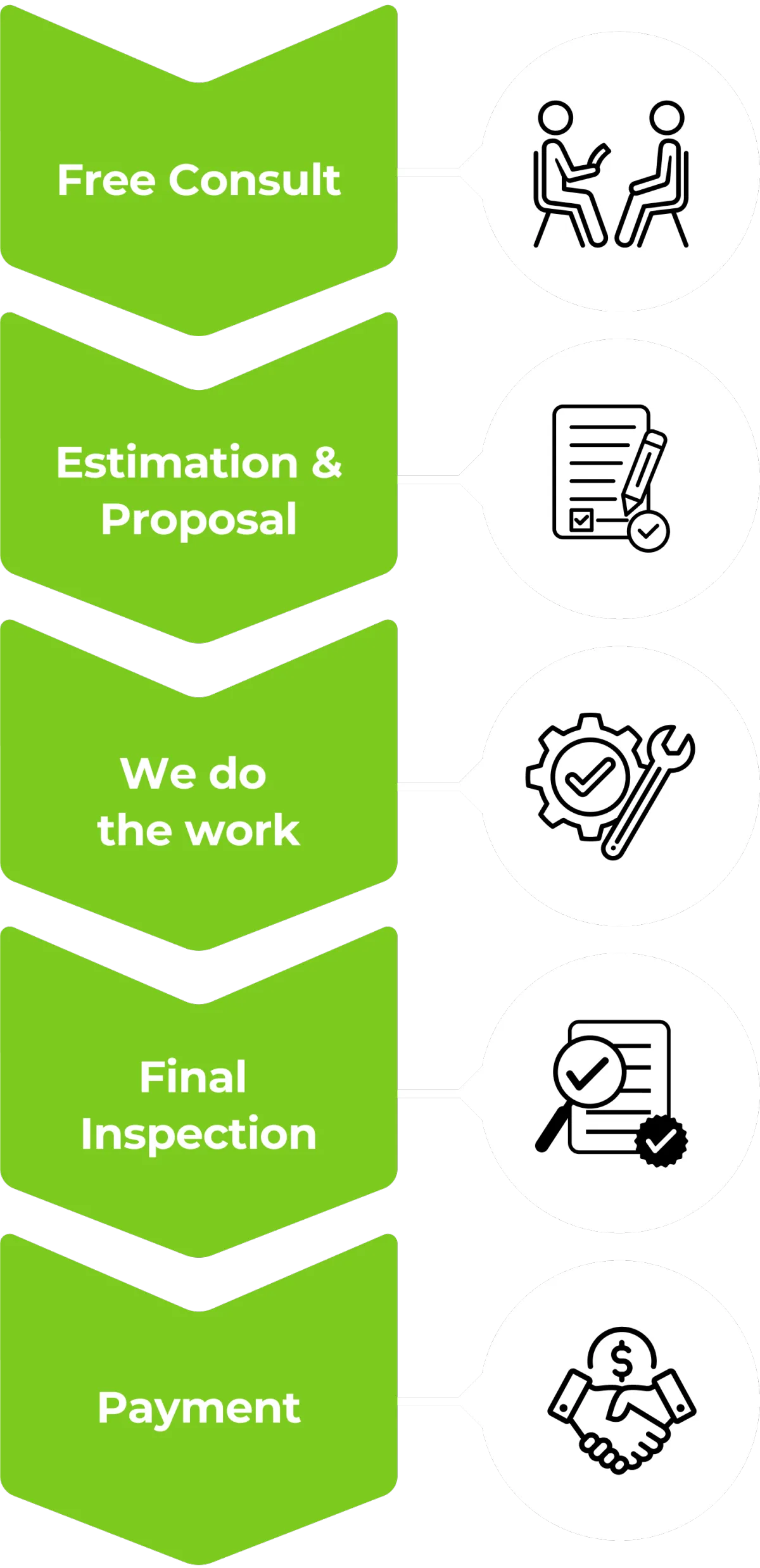
our process
Our process is simple and only contains a few simple steps

proudly serving these areas
Geelong
The Bellarine
Surfcoast
Ballarat
Dayelsford
Newtown
East Geelong
Lara
Leopold
Portarlington
Newcomb
Herne Hill
Highton
Anglesea
Grovedale
READY TO take the next step?
get a free quote TODAY!

